If sweaty hands are the reason you keep interrupting downward-facing dog, Lululemon The Mat 5mm belongs on the research list. Its official specification points to a moisture-absorbing polyurethane top, while attributed long-term tests consistently describe grip as a strength. The same evidence also reveals meaningful costs: more than five pounds to carry, visible marks, material sensitivities and careful drying after a wet class.
That does not make it the best mat for everyone. A beginner taking one gentle class a week may get everything they need from a lighter, less expensive mat. A frequent hot-yoga or vinyasa practitioner, however, may find that reliable grip changes the quality of an entire practice. The 5 mm version also strikes a useful balance between joint protection and stability, although its weight makes it better for a regular studio or home setup than daily long-distance commuting.
The short answer is simple: Lululemon The Mat is worth considering if wet grip is your first priority and you will use it regularly. It is harder to justify if price, portability, low maintenance, or a rubber-free construction matters more.
About this guide: This buying guide uses published specifications and attributed third-party tests. Performance observations are attributed to those sources; check the current model, material disclosures and care guidance before purchase.
Best-fit summary: The evidence makes the strongest case for frequent hot-yoga or vinyasa practice in one regular location. Travelers, long-distance commuters, people with rubber or latex sensitivities, and occasional gentle practitioners should compare other materials first. The broader yoga-mat thickness and material guide can narrow that choice.
The Mat at a Glance
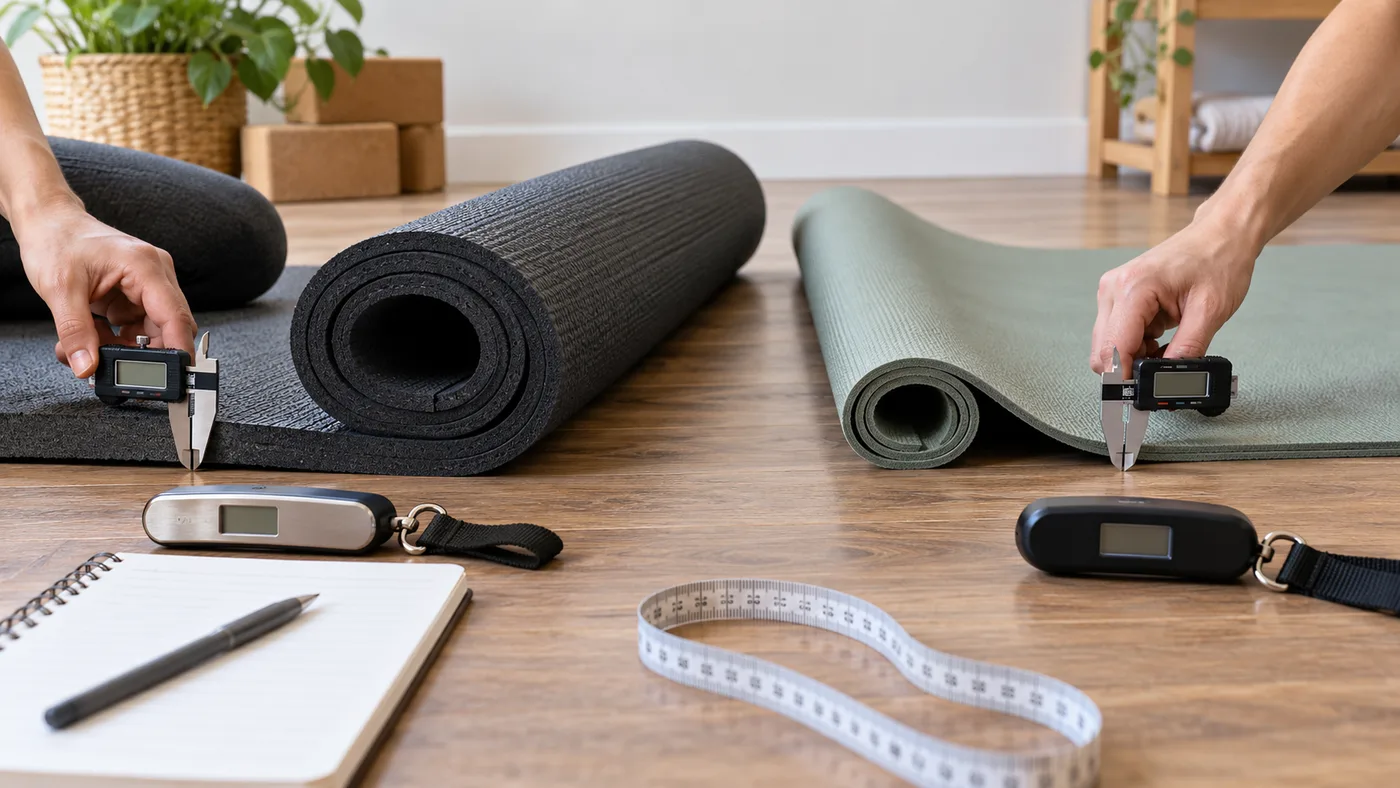
The commonly reviewed 5 mm version is slightly larger than a basic entry-level yoga mat and weighs a little over five pounds. At the time of the October 21, 2026 fact-check, Lululemon’s official US listing specified dimensions of 26 by 71 inches, a weight of 5.24 pounds, a moisture-absorbing top layer and an FSC-certified natural-rubber base. Its construction combines polyurethane, natural and synthetic rubber, polyester and nylon. Specifications, colors and price can change, so the official listing—not an old review—should be the final pre-purchase check.
The mat is reversible, but the two sides do not feel or perform in exactly the same way. The smoother side is the one most people associate with strong sweat-ready grip. The textured rubber side provides a different kind of contact and may suit a drier, slower practice. In real use, most owners will settle on one preferred side rather than changing surfaces every session.
Why Grip Matters More Than It Sounds
Slipping is not merely annoying. When the hands drift forward in downward-facing dog, the shoulders and wrists often work harder to compensate. When the feet lose traction in standing poses, the practitioner may shorten the stance, tense unnecessarily, or interrupt the sequence to wipe the mat. A secure surface allows attention to remain on breathing, alignment, and controlled movement.
The evidence for The Mat is strongest when moisture is part of the problem. Lululemon describes its top layer as moisture absorbing, and both Prevention’s month-long test and Women’s Health UK’s six-year account identify grip as a central strength. For people with sweaty palms or heated classes, that reported difference may matter more than an extra color choice or lower carrying weight.
No surface is immune to pools of sweat, poor cleaning, or incompatible lotions. Hand cream, body oil, and cleaning residue can reduce traction. In an extremely wet class, a fitted yoga towel may still be useful.
Cushioning and Stability
At 5 mm, The Mat sits between thin travel surfaces and thick general-exercise mats. That number suggests a balance between cushioning and floor feedback, but thickness alone cannot prove knee comfort or balance stability. Material density, the floor and the practitioner's body all change the result.
This distinction between thickness and density matters. A soft 8 or 10 mm exercise mat may look more protective, but if it compresses deeply under the heel or palm, the wrists and ankles must make constant corrections. A dense 5 mm yoga mat can offer better support even though the number is smaller.
People with very sensitive knees may still want to fold the mat or add a small knee pad for long kneeling holds. Conversely, practitioners who value precise floor feedback or carry a mat several miles a week may prefer a 3 mm version.
Size and Portability
The slightly generous dimensions provide more room than many basic mats, which is useful for broad shoulders, long stances, and transitions that travel along the surface. The tradeoff is carrying weight. A mat that feels perfectly manageable from a car to a studio may become frustrating on public transportation or a long walk.
Before buying, simulate the real journey. Put five or six pounds in a bag and carry it for the length of your commute. Include a water bottle, towel, clothing, and any other gear you normally bring. Product weight on a specification sheet can feel very different once it becomes part of a complete class bag.
Travelers should not expect the 5 mm version to pack conveniently. A thin foldable mat placed over a hotel carpet or studio mat is usually a better solution.
What the Surface Feels Like
The cited tests characterize the smooth side as grippy, while the official construction helps explain why it may feel tackier than textured foam. That surface may support static hand positions, but practitioners who intentionally slide the feet through transitions should test whether the sensation suits them.
The surface also attracts lint, hair, and dust. Dark colors may hide some marks but show pale debris; lighter patterns may show sweat darkening until the moisture dries. These are mostly cosmetic issues, but they matter to anyone expecting a premium mat to look untouched with minimal care.
Odor Materials and Allergies
New rubber-based mats often have a noticeable smell. Airing the mat flat in a well-ventilated room usually reduces it, although the time required varies. Leaving it in direct intense sun or using harsh chemicals to accelerate the process can damage the material.
When a rubber- or latex-free mat is a requirement, obtain current manufacturer confirmation for the exact model's complete construction, including its surface, backing and other components, plus an explicit latex disclosure. A cork surface or a TPE label alone does not establish that the whole product is rubber- or latex-free. For example, Yoloha's official material chart lists a cork-and-rubber surface on its Unity mat. Do not treat a material category as an allergen-free assurance.
This is not a minor footnote: the current official page explicitly says the mat contains natural rubber and may contain latex. Anyone shopping because of an allergy should not infer that “natural” means hypoallergenic.
Cleaning and Maintenance
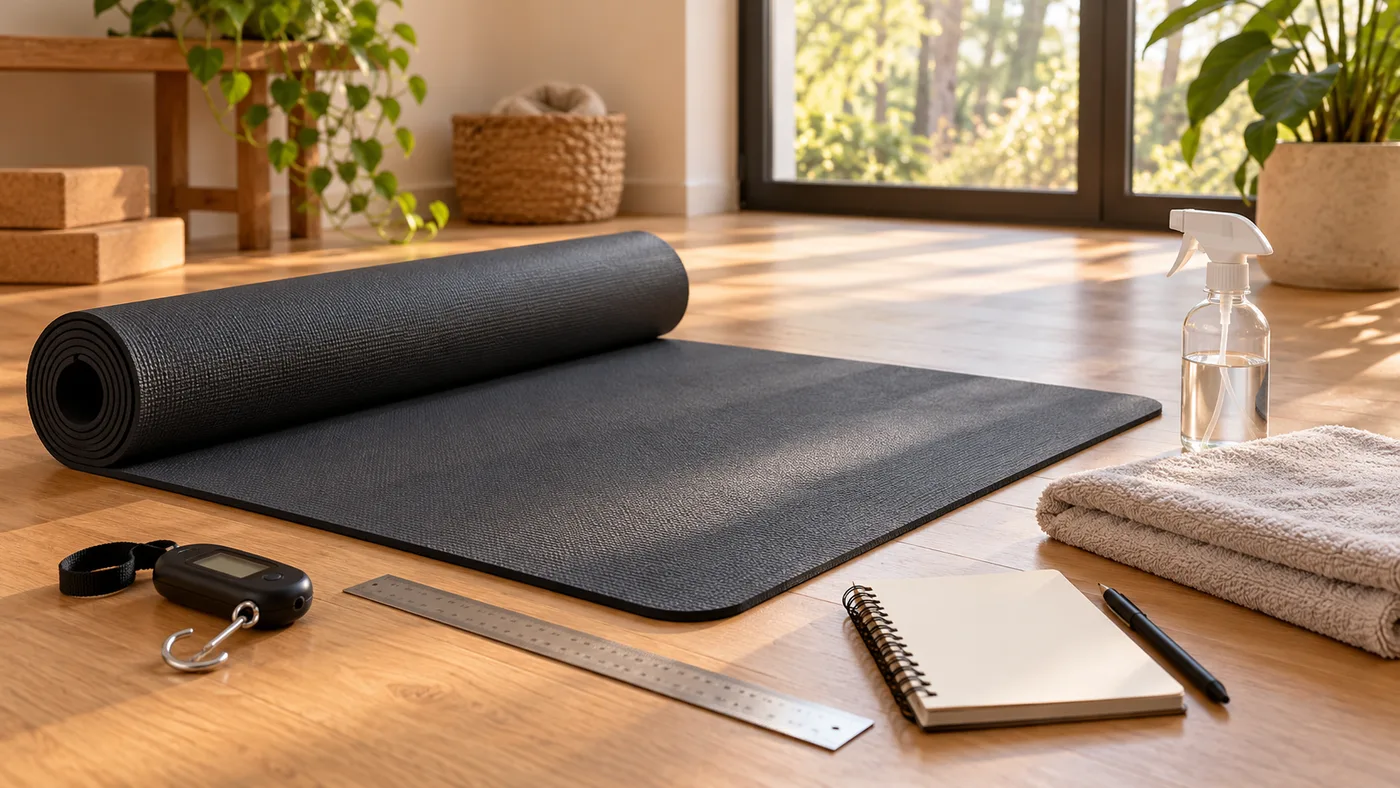
After practice, wipe the surface with a soft damp cloth and use only a cleaner compatible with the manufacturer’s current instructions. Let both sides dry fully before rolling. Trapped moisture encourages odor and makes the surface unpleasant at the next class.
Avoid abrasive brushes, high heat, prolonged direct sunlight, essential-oil mixtures, and aggressive household cleaners unless the brand explicitly approves them. Oils and soap residue may change the grip even when the mat looks clean.
For a heavily sweated-on mat, clean it promptly rather than leaving it rolled in a car or bag. Store it in a cool, dry place and avoid placing heavy objects on the rolled mat, which can create compression marks.
Durability and Long Term Value
The official weight and multi-material construction indicate a substantial product, and the six-year Women’s Health UK review provides one useful long-term perspective. Durability, however, depends on more than whether the mat tears. A yoga mat also needs to retain grip, remain flat, resist edge damage, and tolerate regular cleaning.
The most useful way to judge value is cost per use. An expensive mat used four times a week for several years may cost less per class than a cheap mat replaced repeatedly. The opposite is also true: a premium mat stored in a closet after three sessions is not a good value simply because it is durable.
Ask how often you currently practice, not how often you hope to practice after buying new equipment. Beginners may be better served by a solid mid-price mat until their preferences become clear.
How It Compares With Other Mat Types
Compared with a dense closed-cell Manduka-style mat, The Mat usually offers more immediate wet grip and absorbs more surface moisture. The closed-cell alternative may be easier to wipe clean, less prone to visible sweat marks, and extremely durable, but some models need a break-in period or towel in hot classes.
Compared with a lightweight TPE mat, The Mat feels more planted and generally provides more dependable traction under sweat. The TPE option is usually easier to carry and less expensive, though performance and longevity vary widely by formulation.
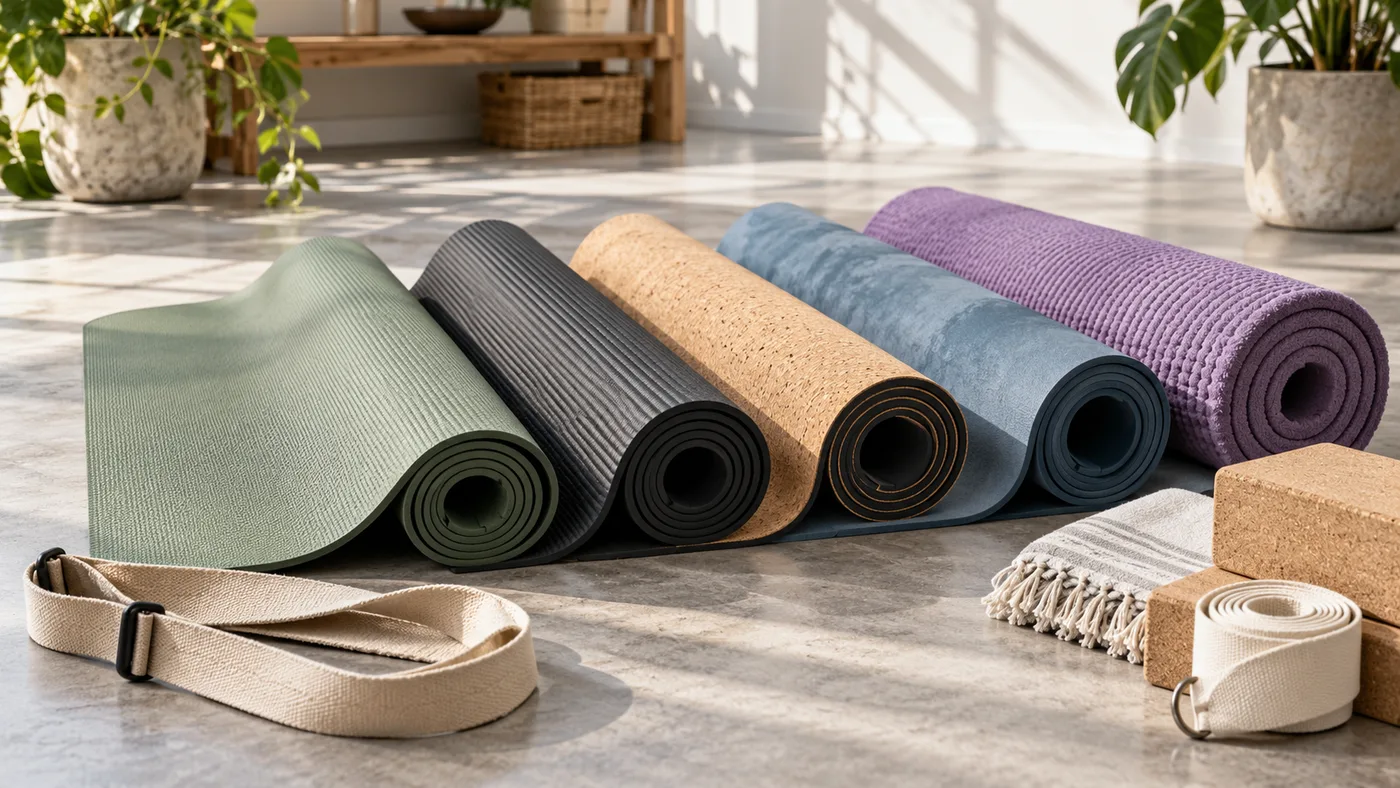
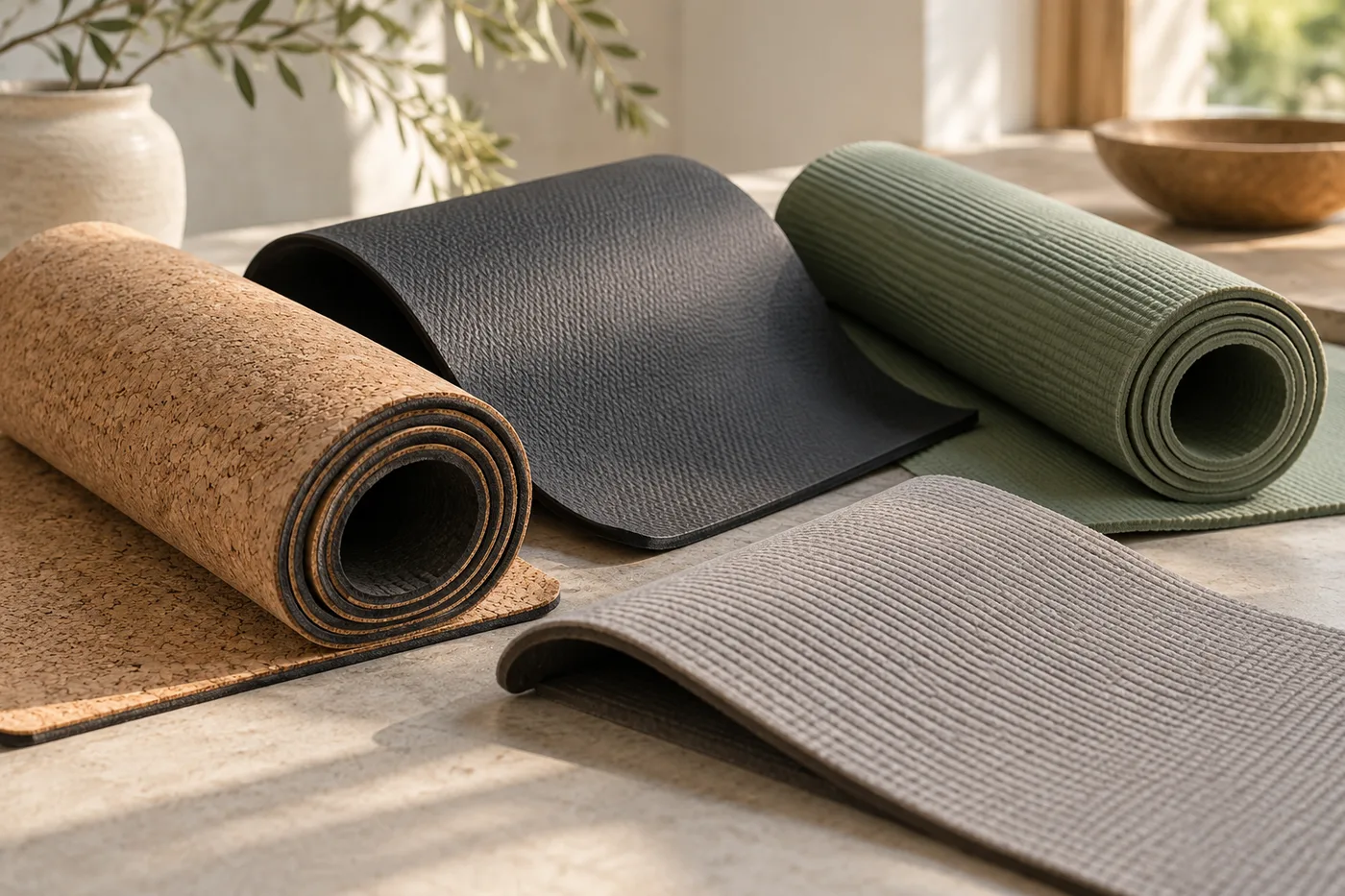
Compared with a cork mat, The Mat feels smoother and more conventionally tacky. Cork can become grippier when damp and appeals to people who prefer its natural texture, but quality, flatness, and backing stability depend on the specific product.
For a wider shortlist rather than a single-product decision, compare these trade-offs in the 2026 yoga-mat research shortlist. Readers comparing the documented Manduka PRO specifications with an exact Adidas candidate can use the Manduka-versus-Adidas exact-model framework; that page does not establish the unnamed candidate's surface or performance.
Who Should Buy Lululemon The Mat
- Hot-yoga and vinyasa practitioners who regularly sweat through the hands and feet
- People who have struggled with sliding on conventional foam mats
- Practitioners who want knee cushioning without an unstable, plush surface
- Anyone who practices often enough to benefit from a durable premium mat
- People who mainly practice at home or travel only a short distance to class
Who Should Choose Something Else
- Beginners who are not yet sure what kind of yoga they enjoy
- Travelers and commuters who need a light, foldable mat
- People who mostly practice gentle, low-sweat yoga
- Anyone sensitive to rubber materials or odors
- Shoppers who want a surface that hides dust and needs little maintenance
How to Decide Before Buying
Use this four-question test:
- Do your hands or feet regularly slip once you begin sweating?
- Will you use the mat at least two or three times per week?
- Can you comfortably carry its weight through your real commute?
- Are you willing to wipe and fully dry it after sweaty sessions?
If the answer to all four is yes, the premium is easier to justify. If only the first answer is yes, test a less expensive wet-grip mat or add a fitted towel to your current setup before upgrading.
Questions Buyers Commonly Ask
Is Lululemon The Mat good for hot yoga
Yes. Hot yoga is one of its strongest use cases because the smooth top surface maintains useful traction when damp. Extremely sweaty sessions may still require a towel.
Is the 5 mm version too thick for balance poses
Five millimeters is not inherently too thick; density matters as much as the measurement. A buyer who prefers very direct floor feedback may still favor a thinner model, and a balance test is more useful than a universal claim.
Is it easy to carry
It is manageable for short trips but heavy compared with travel and entry-level TPE mats. Consider the full class commute, not the mat alone.
Why does it smell when new
Rubber-based construction can produce an initial odor. Ventilation usually reduces it. Avoid harsh deodorizing methods that may damage the surface.
Does it stain
The surface can temporarily darken from sweat and collect visible dust or lint. Prompt cleaning helps, but people who dislike visible marks may prefer a darker pattern or closed-cell mat.
Where the Current Evidence Points
Lululemon The Mat is not a universal upgrade. Based on the documented construction and cited outside testing, it is a specialized answer to a common problem: losing grip when practice becomes sweaty. Its 5 mm specification may also suit readers seeking more cushion than a travel mat without moving into thick exercise-mat territory; that balance still needs to be confirmed on the buyer's floor and body.
The purchase is easiest to justify for frequent hot-yoga and vinyasa practitioners who value traction more than low carrying weight. For occasional, restorative, or travel-focused practice, a lighter mat may solve the real problem with fewer compromises. These are source-based buying considerations, not the results of a YogaLists in-house performance test.