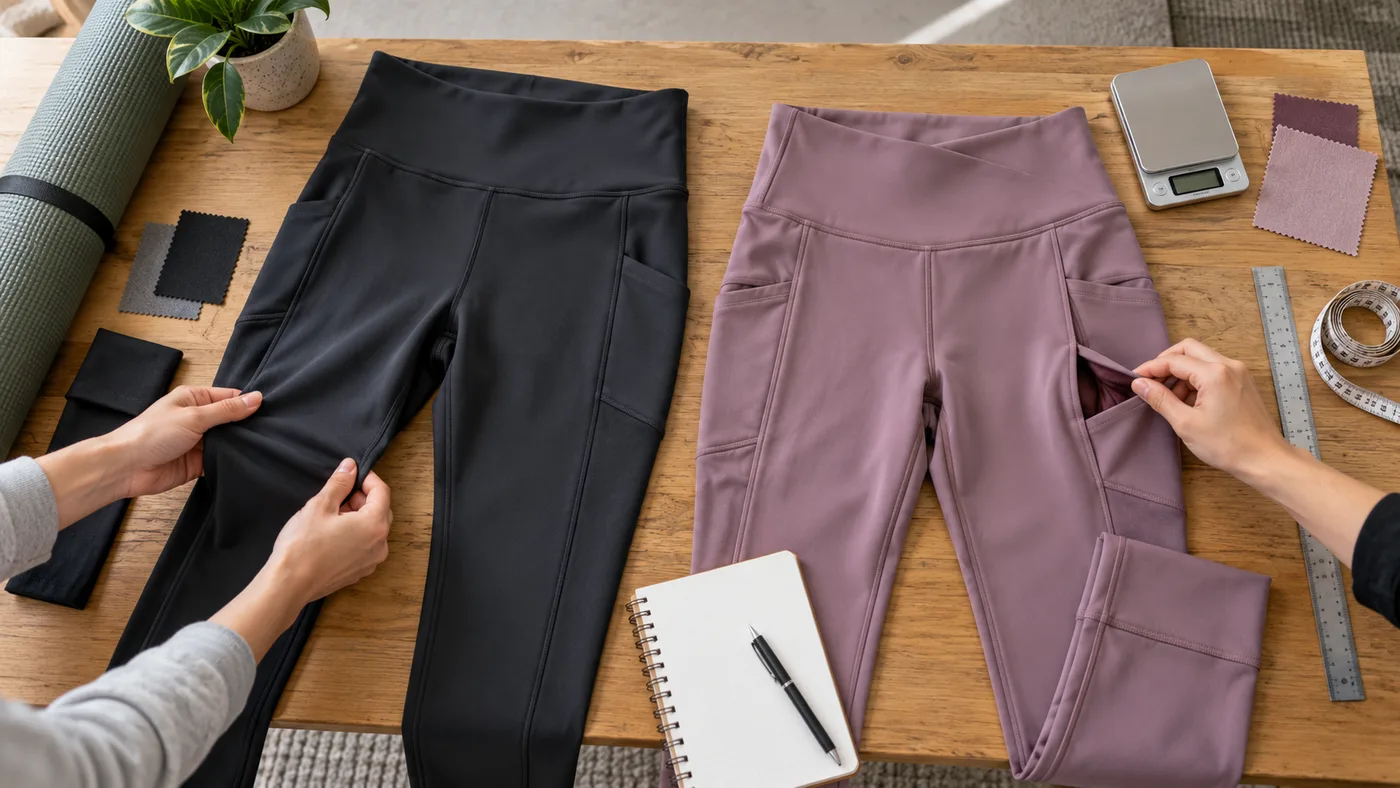
Two leggings can target the same low-impact customer without being interchangeable. CRZ Yoga Butterluxe and Lululemon Align differ in product ecosystem, service access and stated fabric experience even where their fiber percentages look similar. Those documented differences are useful; they are not a substitute for wearing matched pairs on the same tester.
There is no honest universal winner. For an occasional yoga practitioner or color experiment, CRZ offers stronger initial value. For someone who already knows that Align's exact fit and barely-there fabric work for them, the premium may be rational. Neither soft, low-compression line is the best default for running or abrasive strength training.
About this guide: This comparison uses published specifications and attributed reporting. Comparisons are conditional design inferences, not measured Butterluxe-versus-Align wear, wash or opacity results.
Quick Comparison
| Decision | CRZ Butterluxe Yoga Origin | Lululemon Align High-Rise Pant |
|---|---|---|
| Best for | Budget softness, yoga, lounge | Lightweight studio feel, broad collection |
| Compression | Very gentle | Low, close-to-body feel |
| Current core fabric claim | 81% polyamide, 19% Lycra | 81% nylon, 19% Lycra elastane |
| Inseams seen at fact-check | 23, 25, 28 and 30 inches | 25, 28 and 31 inches on core listing |
| Storage | Minimal on Origin; pocket variants exist | Card/key pocket; phone-pocket variants cost more |
| Main risk | Variant consistency and friction wear | High price and delicate-feeling fabric |
| Winner on entry price | CRZ Yoga | — |
| Winner on retail ecosystem | — | Lululemon |
Specifications were checked October 21, 2026 on the CRZ Butterluxe product page and Lululemon Align product page. Prices and stock change; this table is a fit-and-use comparison, not a promise of today's promotion.
Fabric: Similar Numbers Do Not Mean Identical Feel
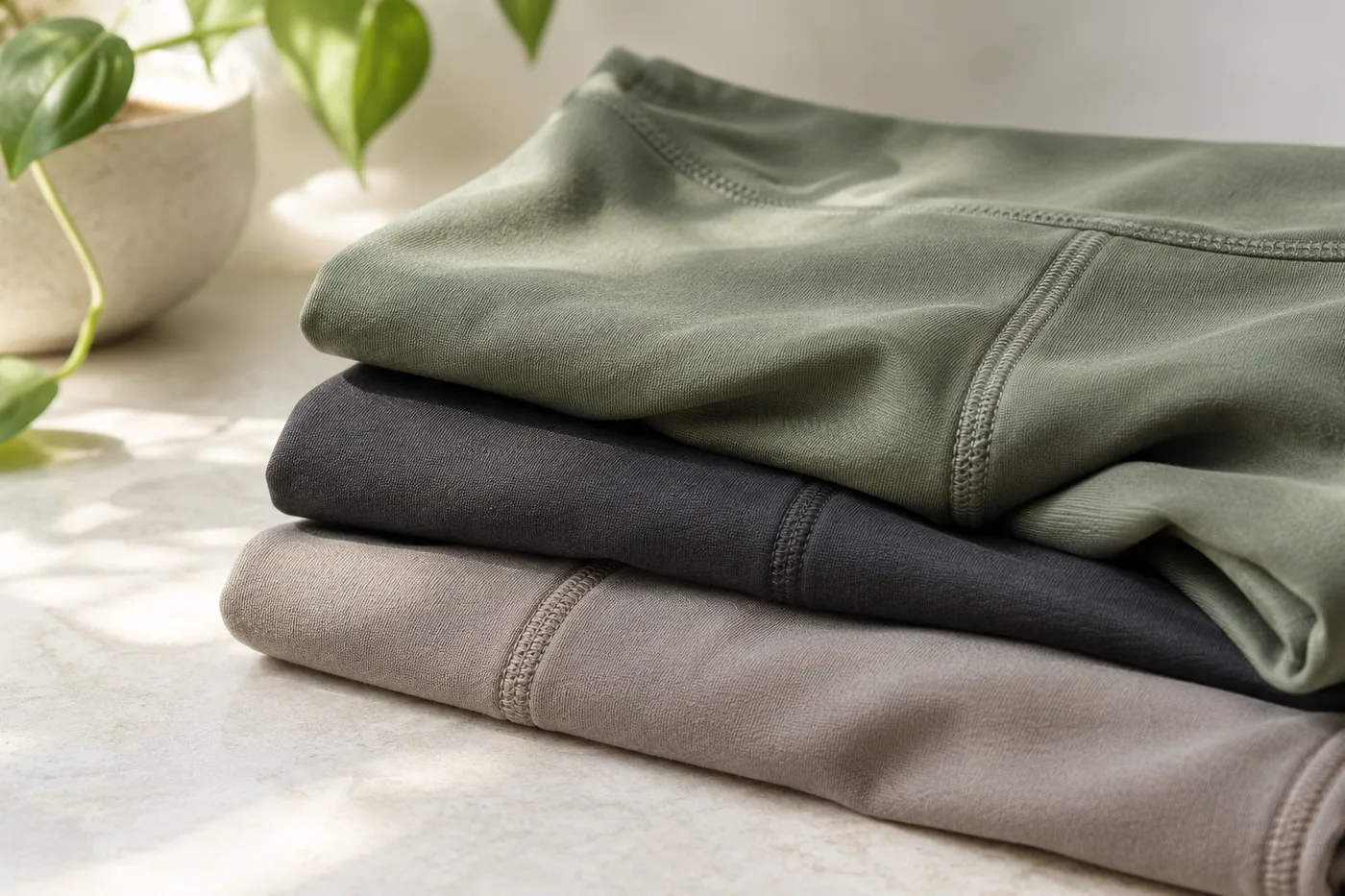
Both official pages list an 81/19 nylon-or-polyamide and Lycra blend. That does not prove the fabrics are the same. Yarn size, knit, brushing, weight, finishing and quality control change how a garment stretches, warms, recovers and pills.
Butterluxe generally reads as slightly more substantial and brushed. Align's Nulu is positioned as weightless, breathable and soft. The difference favors Butterluxe when a shopper wants a little more perceived coverage and favors Align when heat sensitivity and a barely-there feel dominate.
What the specifications suggest: Butterluxe emphasizes gentle-compression value; Align emphasizes a weightless feel. Coverage and lightness still require a matched physical test.
Compression and Waistband
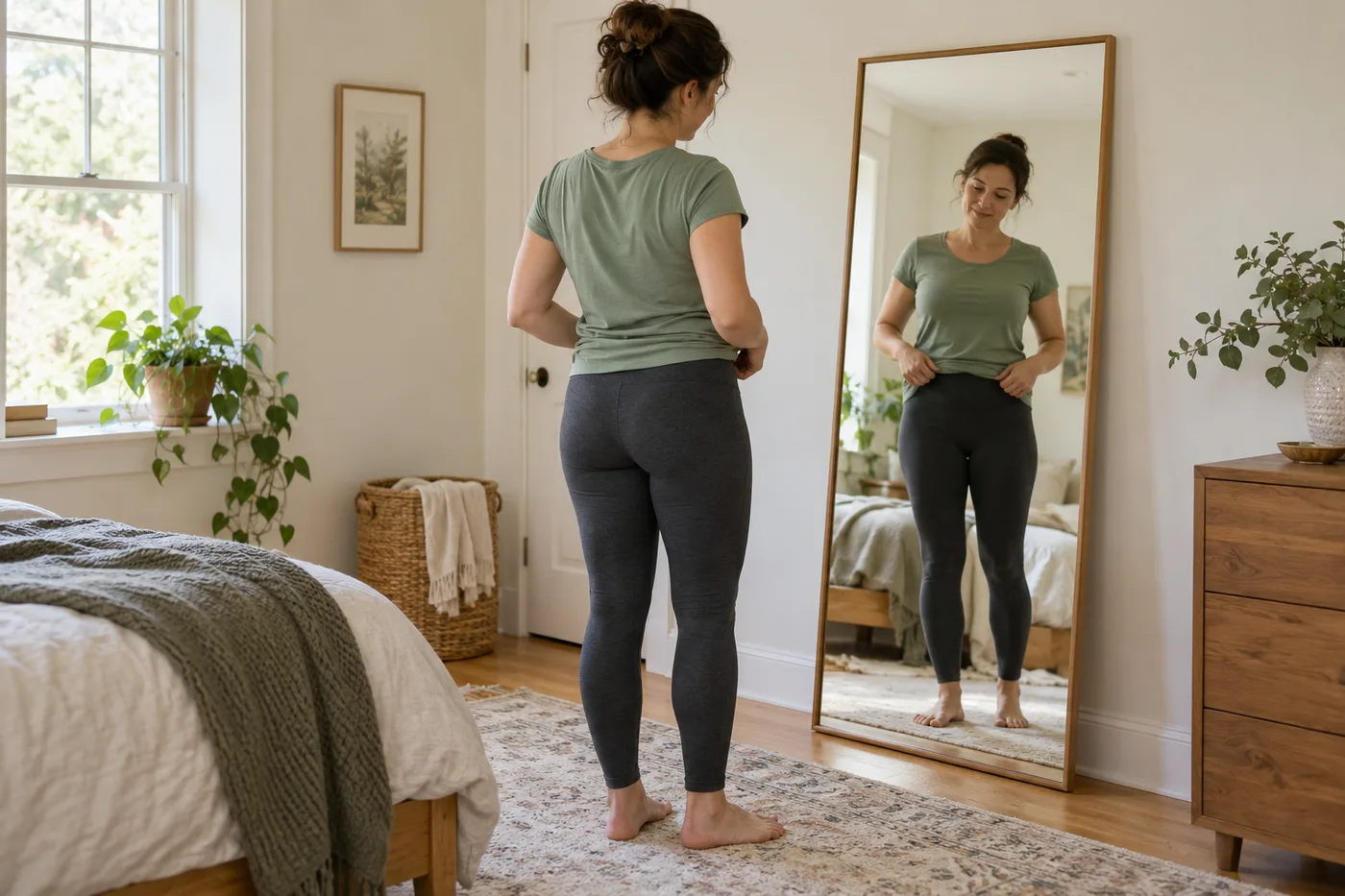
CRZ explicitly calls Butterluxe “very gentle compression.” Align is also intended for low-impact comfort rather than a sculpted training feel. If either pair must be sized down aggressively to stay up, the cut is probably wrong for the wearer.
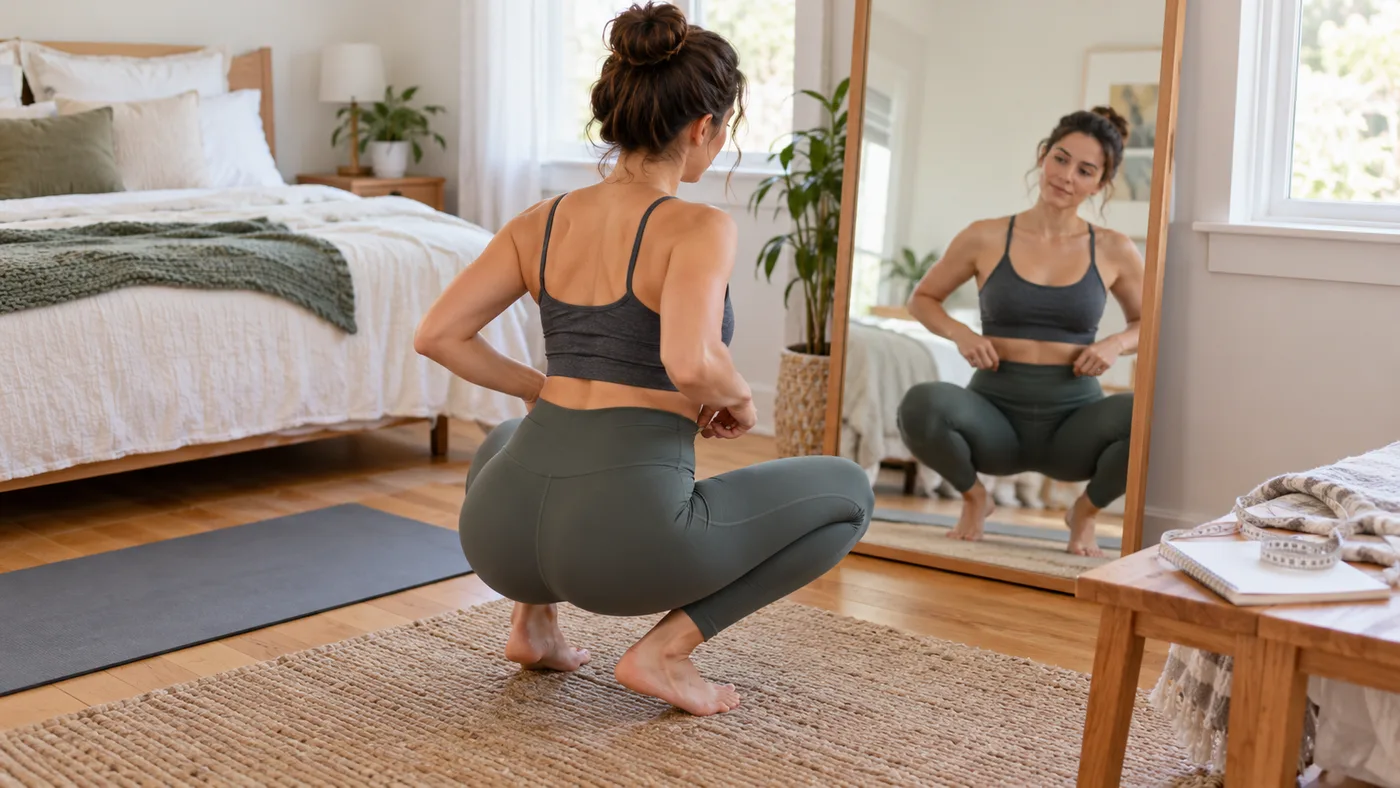
Compare both in the same five movements: deep breath, forward fold, squat, high-knee march and two minutes seated. The better waistband is the one that remains broadly stable without restricting breathing—not the one that creates the flattest mirror image.
For a firmer option, do not force either product to behave like a training tight. Use the compression and fit guide and select a line designed for medium or high support.
Decision variable: individual anatomy.
Opacity and Color
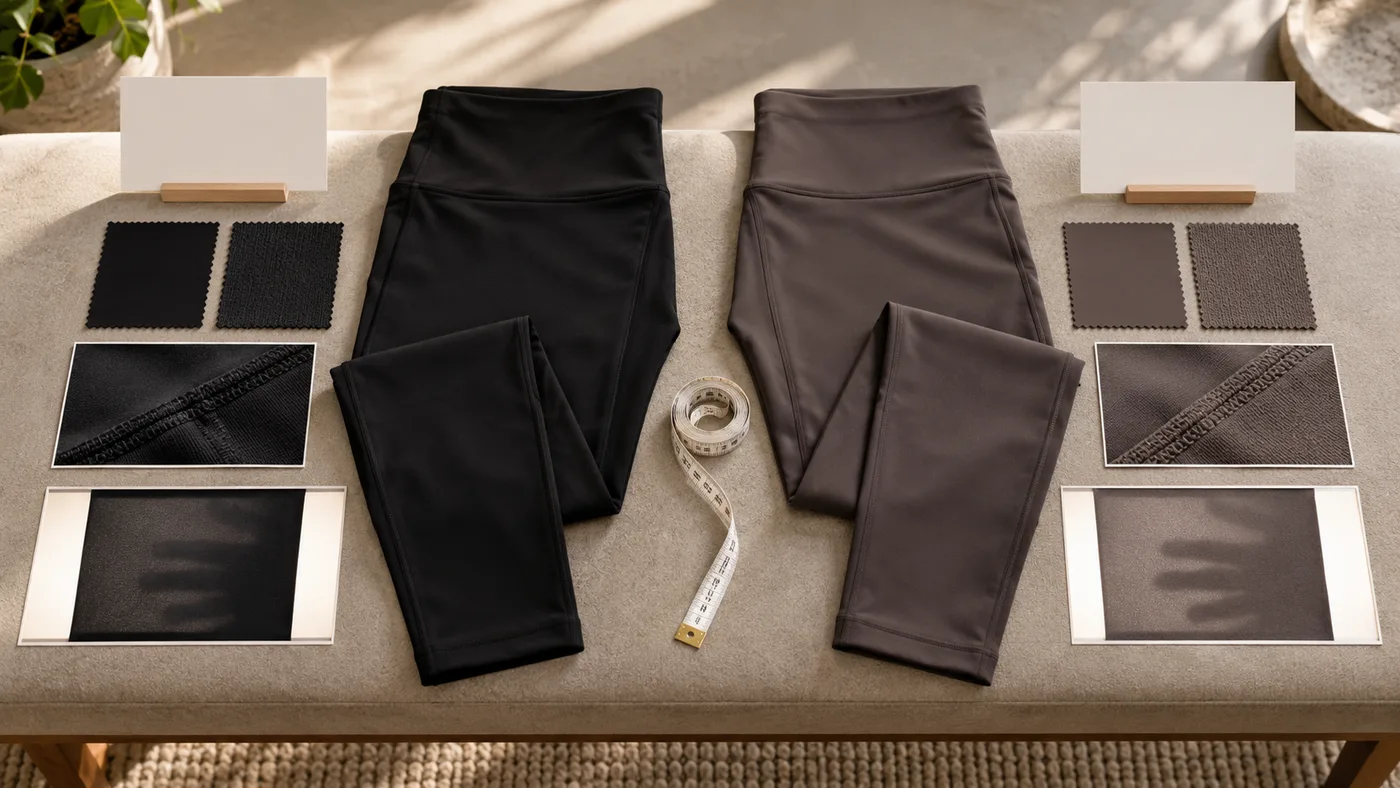
“Squat-proof” cannot be awarded to an entire brand. Pale colors, smaller sizes and high-contrast underwear increase visible show-through. Test the exact pair in daylight using the method in the squat-proof legging guide.
A fair comparison uses the same color depth, correct size, underwear and lighting. Comparing black Align with pastel Butterluxe produces a color test, not a brand test.
Evidence boundary: no brand-level opacity conclusion.
Lengths, Sizes and Product Choice
Both brands offer multiple inseams, which is valuable. Lululemon's numbered sizing and in-store availability may make fine adjustments easier in markets with stores. CRZ's direct site provides several length choices at a lower cost, but shoppers should verify variant names carefully.
Pocket needs change the comparison. Core models have limited storage; pocketed versions use different seams and may cost more. Compare like with like:
- core Butterluxe versus core Align;
- pocketed Butterluxe versus Align with Pockets;
- low-impact fabric versus low-impact fabric.
Do not compare a CRZ running tight with Align and call the result a brand verdict.
Documented trade-off: Lululemon has the broader visible service ecosystem; CRZ lowers the cost of trying a different length. Confirm local access and current return terms.
Yoga, Hot Yoga, Gym and Daily Wear
Gentle yoga, Pilates and restorative practice
Both target this lane. Compare rise and skin feel. Readers wanting a closer look at the CRZ pair can use the Butterluxe buying guide.
Hot yoga
Align's lighter sensation may be preferable, but neither brand name guarantees ideal sweat management. A thin slick performance fabric can be a better choice for very humid sessions. Review the hot-yoga clothing guide.
Running and interval training
Neither core style is optimized for impact. Look for a drawcord, secure phone pocket and faster-drying, abrasion-resistant fabric in a running line.
Strength training
Both can manage controlled studio strength. Protect soft surfaces from knurling, hook-and-loop straps and rough benches.
Daily wear and travel
Butterluxe wins on replacement cost and relaxed use; Align wins for shoppers who consider Nulu's exact feel irreplaceable. Pocket needs may override both.
Durability and Care
Softness and abrasion resistance often pull in opposite directions. Inner-thigh friction, rough bags and mixed laundry can pill either fabric. Wash cold with soft items, avoid fabric softener and dry with minimal heat.
A rigorous 20-wash comparison should photograph the same four zones—inner thigh, seat, waistband and gusset—under identical light. It should also record recovery and seam condition. Without that, durability claims remain anecdotal. Women's Health's head-to-head test is useful external evidence, but one tester cannot predict every body and wash routine.
Evidence boundary: there is insufficient matched evidence for a durability winner. Lululemon has more accumulated third-party history; CRZ lowers the initial financial exposure.
Cost per Wear Beats Sticker Price
Suppose a lower-cost pair is worn 60 times and a premium pair 180 times. Their cost per wear may be closer than the original price gap suggests. Reverse those wear counts and the cheaper pair wins decisively.
Estimate value using realistic behavior:
cost per wear = purchase price ÷ expected wears
Include return shipping, alteration, replacement and the probability that an uncomfortable pair sits unused. Do not “save” money by buying three substitutes when one proven pair already works.
Which Should You Buy?
Choose CRZ Yoga if:
- you want low-cost softness for yoga and everyday use;
- you are testing a new inseam or color;
- gentle compression suits you;
- you accept a simpler service experience; and
- replacing a worn pair at lower cost matters.
Choose Lululemon if:
- Nulu's exact light feel already works for you;
- you value numbered sizing, stores or more variants;
- you expect one pair to be a high-frequency wardrobe core;
- you want the broader Align ecosystem; and
- the premium fits your budget without requiring unrealistic durability.
Choose something else if: you run, need firm compression, regularly lift against rough equipment or require large secure pockets.
Decision Boundary
The available evidence positions CRZ as the lower-cost experiment and Lululemon as the broader retail and variant system. It does not establish how many times better either product performs or lasts. The rational choice is the least expensive exact model that fits correctly, serves the intended activity and survives the buyer's real care routine.