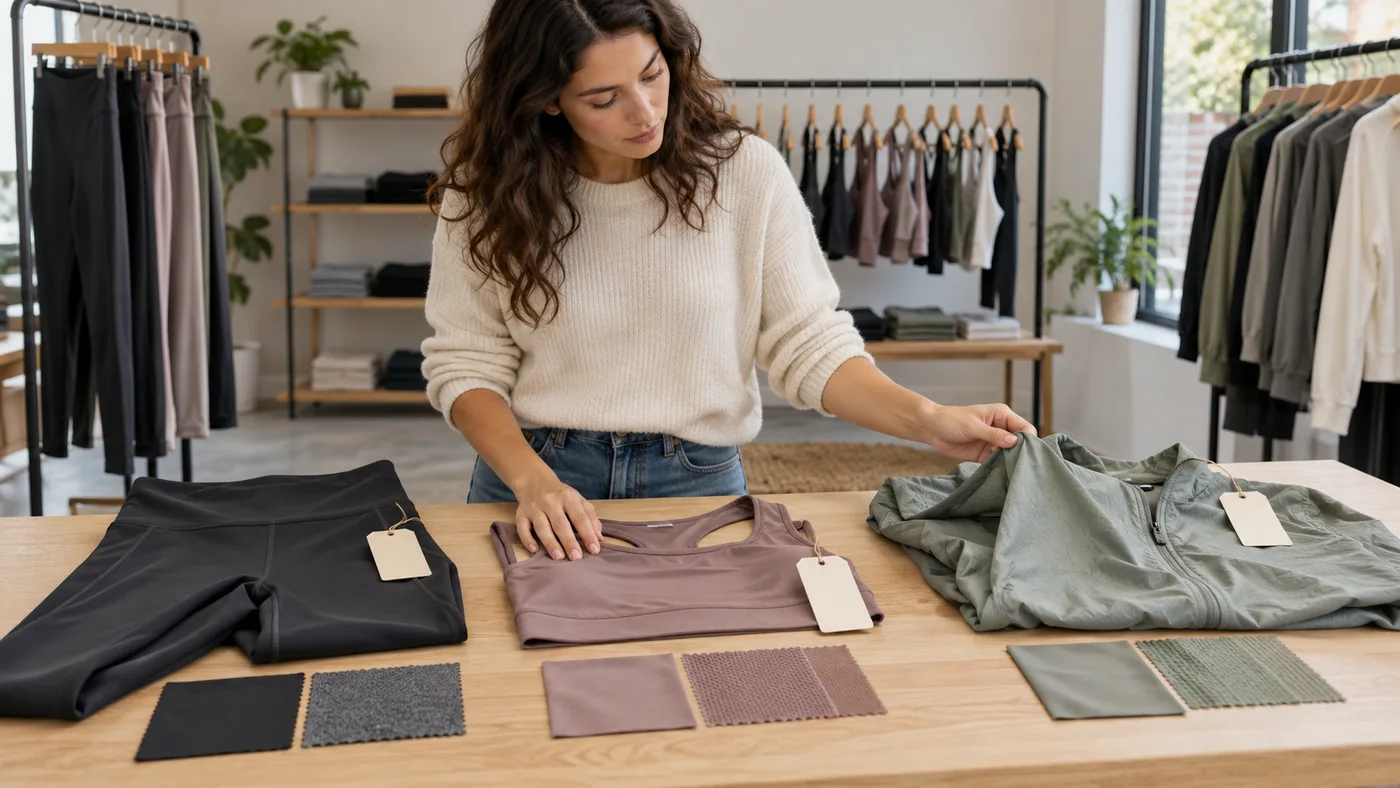
About this guide: This collection guide uses official listings and attributed sources. Airlift, Airbrush and Alosoft are different product families; assess fit, care and durability on the exact garment rather than inferring performance from the collection name.
Alo's value question has at least three answers. Airlift is presented as sleek and high-compression, Airbrush as matte with medium support, and Alosoft as brushed and lightly compressive. Someone who likes one may actively dislike another, so a brand-wide yes/no verdict conceals the decision that matters.
This page is about choosing among Alo collections and deciding whether their design premium serves the wardrobe. Readers who have already decided against Alo should use the alternatives-by-feature guide instead.
Quick Brand Verdict
Worth it for: coordinated studio-to-street outfits, recognizable silhouettes, polished layers and shoppers who will wear pieces repeatedly outside class.
Less compelling for: budget basics, high-impact specialization, people who dislike visible branding or buyers expecting identical quality across every collection.
What the Premium Buys
Part of the price buys design language: coordinated seasonal color, cropped and oversized proportions, flares, sets and a recognizable Los Angeles studio aesthetic. That is a legitimate benefit when clothing is worn socially and frequently.
It is not proof of moisture management, support or durability. Those require product-level evidence. Separate four values:
- technical performance;
- construction and fit;
- fashion/design;
- brand experience.
A buyer may reasonably pay for the last two, but should name the choice honestly.
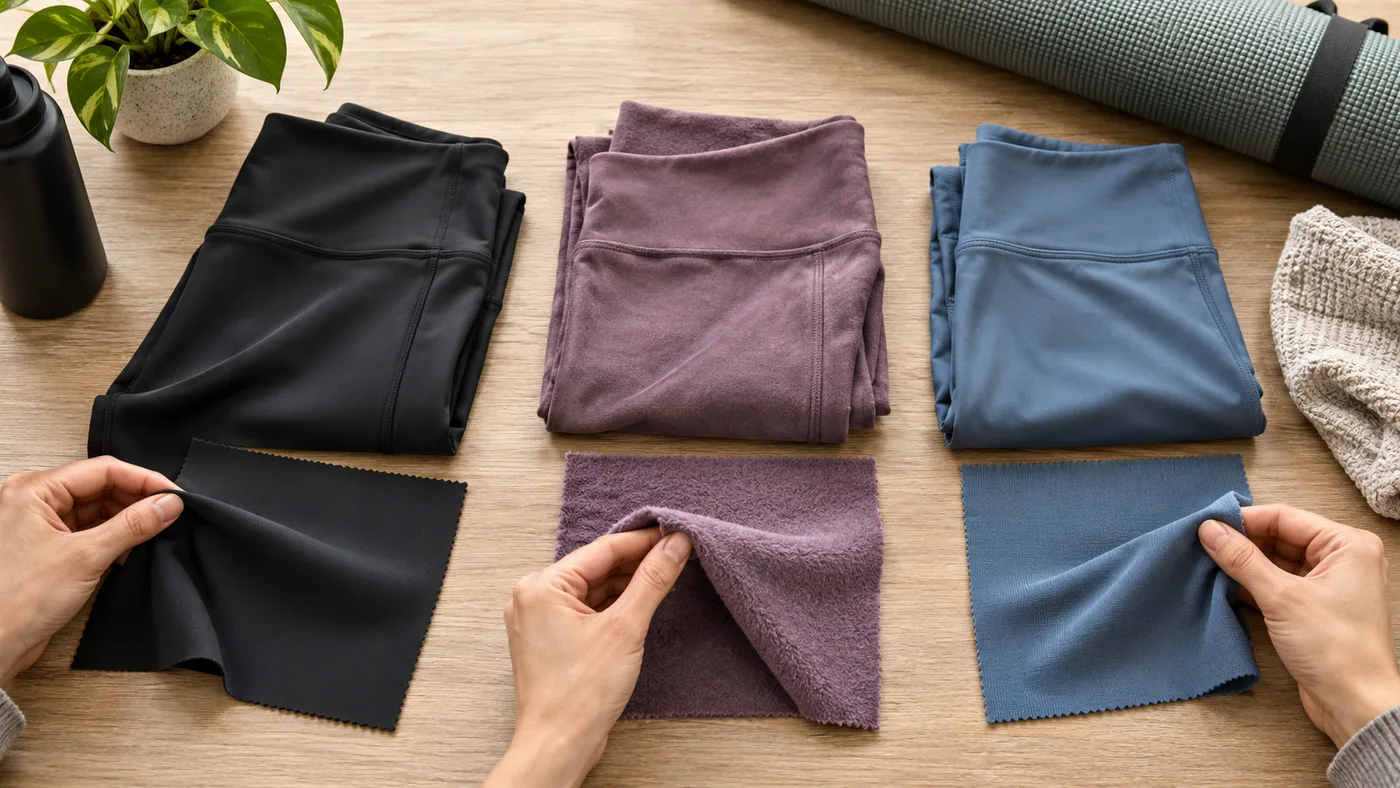
Airlift, Airbrush and Alosoft Compared
The distinctions below are Alo's published positioning, not independent measurements. Alo's current Airlift product page and fabric comparison describes these families as follows; exact product labels remain the controlling source.
| Collection | Alo's published description | Reason to shortlist it | What to verify in person |
|---|---|---|---|
| Airlift | Sleek, lightweight, subtle sheen and high compression | A held-in feel and polished surface | Breathing comfort, stretch shine, waistband pressure and opacity in the exact color |
| Airbrush | Soft, cottony, matte, four-way stretch and medium compression | A less shiny studio-to-daily texture | Heat, drying, lint attraction, recovery and movement coverage |
| Alosoft | Lightweight, brushed, very soft and lightly compressive | Low-pressure comfort and soft layering | Friction, pilling, sweat handling and whether the gentle hold stays put |
Airlift: for a sleek, high-compression brief
Airlift is the clearest route when the requested feature is hold plus sheen. That same compression may be unnecessary during long seated work, and a pale high-stretch color still deserves an opacity check. Do not transfer a fit conclusion from one Airlift bra or legging to every cut.
Airbrush: for matte, medium-support versatility
Airbrush occupies the middle of Alo's own compression comparison. The cottony description refers to hand feel, not necessarily cotton content; read the exact fiber label. It is a logical fitting-room comparison for someone who finds Airlift too sleek or firm but still wants support.
Alosoft: for brushed softness and lighter hold
Alosoft is the softness-led option in the official comparison. A brushed surface can be pleasant against skin yet should be inspected for friction and care demands. “Soft” also does not establish waistband stability, so seated breathing and repeated transitions still matter.
Whichever collection is shortlisted, record:
- intended activity;
- compression level;
- surface feel;
- fiber and care;
- pocket/waist construction;
- inseam; and
- return status.
For hot yoga, low bulk and drying matter. For strength, recovery and abrasion matter. For yin, soft pressure-free seams matter. The practice-based pants guide can expose an activity mismatch before purchase.
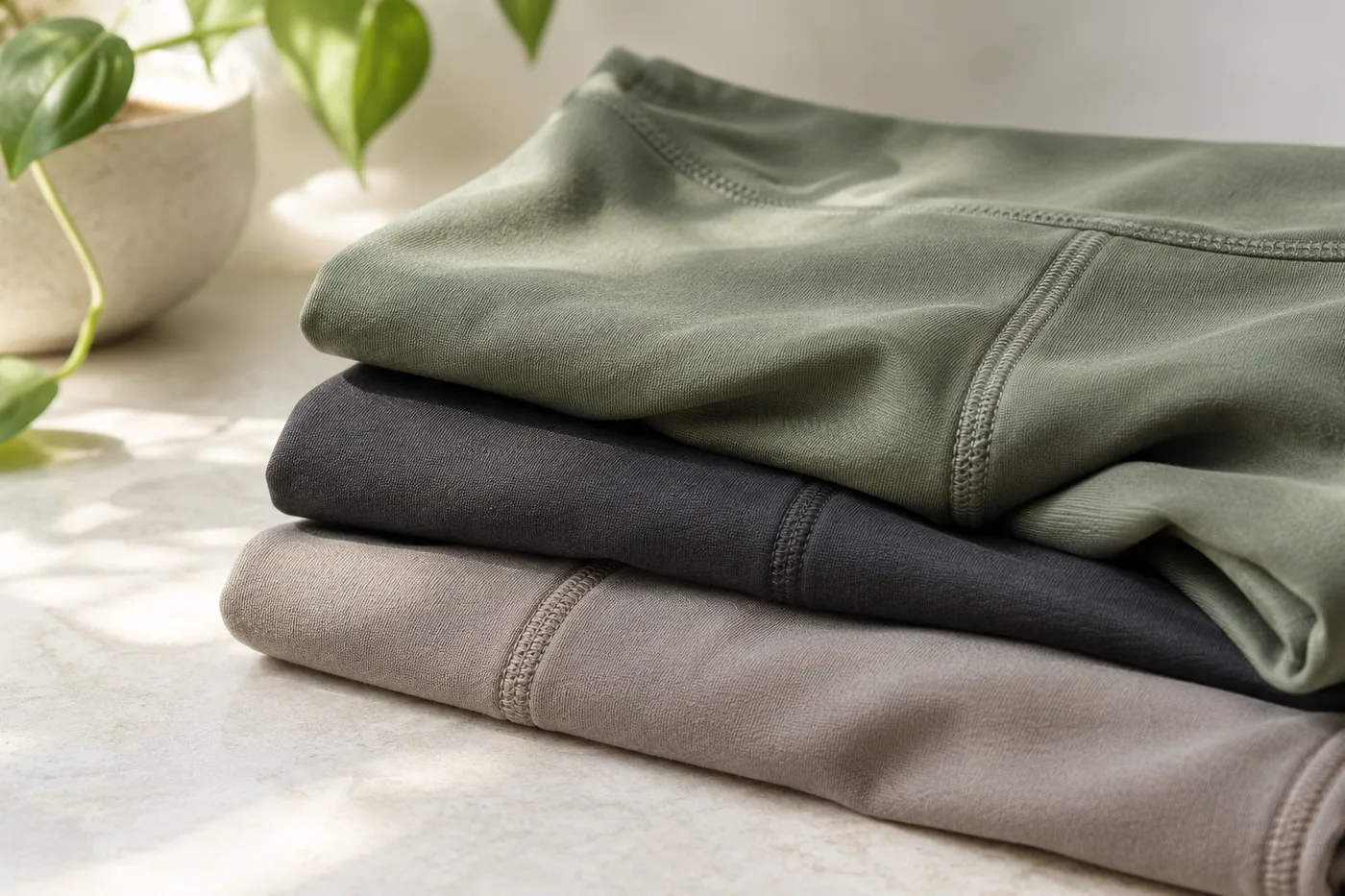
Fit: Styling Cannot Rescue Movement Failure
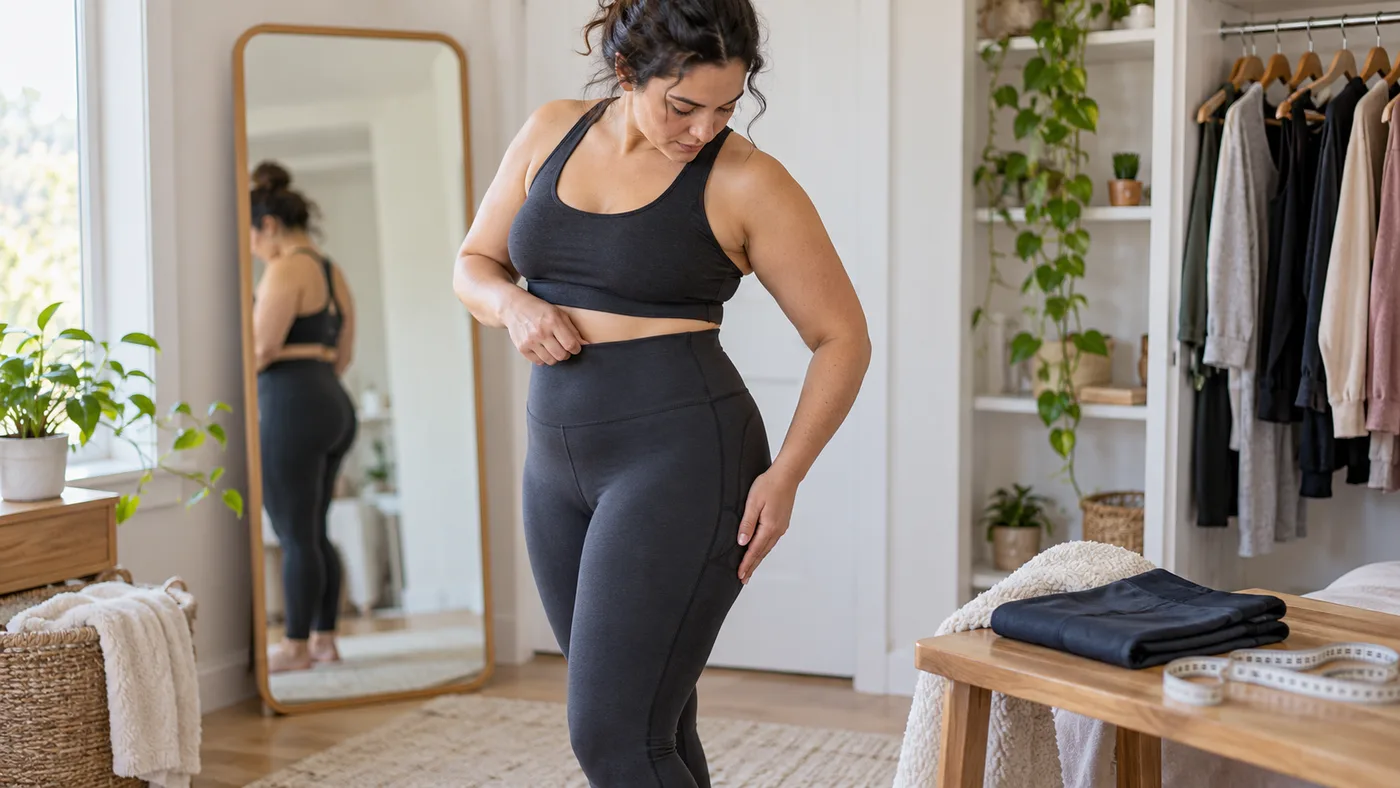
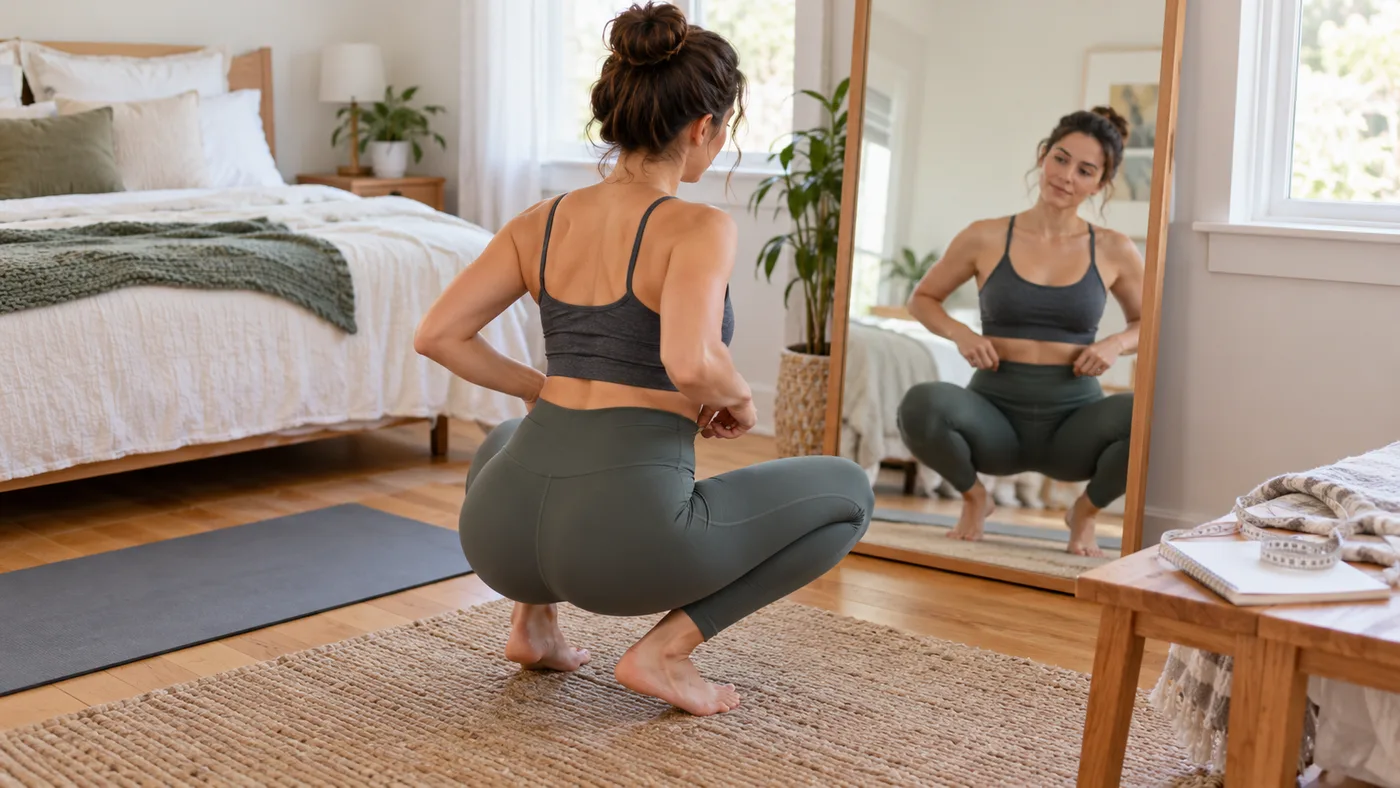
Several Alo silhouettes are close and sculpted. Use the exact chart and test:
- full ribcage breathing;
- deep squat;
- forward fold;
- arms overhead;
- seated position; and
- phone in pocket, if present.
Reject sharp pressure, numbness, severe rolling or a top that exposes more than intended. Do not size down to create compression. The squat-proof test should be run on the exact color.
When the Premium May Solve a Real Need
A distinctive legging that fits perfectly
A sleek legging can justify the premium when the waistband, seam placement and finish are genuinely better on the buyer's body. Avoid duplicate black leggings that perform the same role.
A flare or trouser with crossover value
The fashion premium makes more sense when the piece works for studio arrival, casual plans and travel. Hem length is safety-critical; fabric must not sit under the foot.
A versatile layer
A jacket, shrug or sweatshirt may generate more daily wear than a specialized bra. Check hardware, sleeve length and laundry volume.
One coordinated set—after individual fit is proven
Top and bottom sizes may differ. Buy matching color only after each piece independently passes movement tests.
What to Approach Carefully
- very seasonal shapes with one-outfit usefulness;
- white or pale bottoms without daylight opacity testing;
- low-support bras for impact;
- oversized pieces chosen without checking actual garment measurements;
- final-sale colors used as a first fit experiment; and
- duplicate pieces purchased for social-media completeness.
Quality and Care
A brand-wide durability claim would be misleading. Smooth compressive fabric, brushed soft fabric and fleece age differently. Track waistband recovery, pilling, seam waviness, hardware and color for at least twenty wears.
Follow exact care labels. Cold washing, no softener and lower heat generally protect elastane, but the garment label controls. A piece that needs special care should earn enough use to justify it.
What a Proper Brand Test Still Needs
A credible whole-brand verdict should include more than one flattering legging. It should test at least one sleek/compressive bottom, one soft studio piece, one support top and one outer layer. Each should complete activity-appropriate movement plus five- and twenty-wash checkpoints.
The tester should disclose body measurements, usual sizes, product source and whether items were gifted. Fit observations should be separated from brand claims. Until those records exist, this guide is a buying framework—not proof that every Alo category performs equally.
Alo Versus Alternatives
Choose POPFLEX for feminine functional details, FP Movement for expressive fashion, Beyond Yoga for plush softness, Vuori for understated crossover and CRZ Yoga for lower-cost low-impact comfort. The complete Alo alternatives guide maps these by role.
A First-Purchase Rule
Buy one piece that meets all four tests:
- distinctive from what you own;
- works in at least two settings;
- passes the full movement test;
- coordinates with three owned items.
Wear and wash it five times. Only then consider a set or second fabric family.
A Simple Value Scorecard
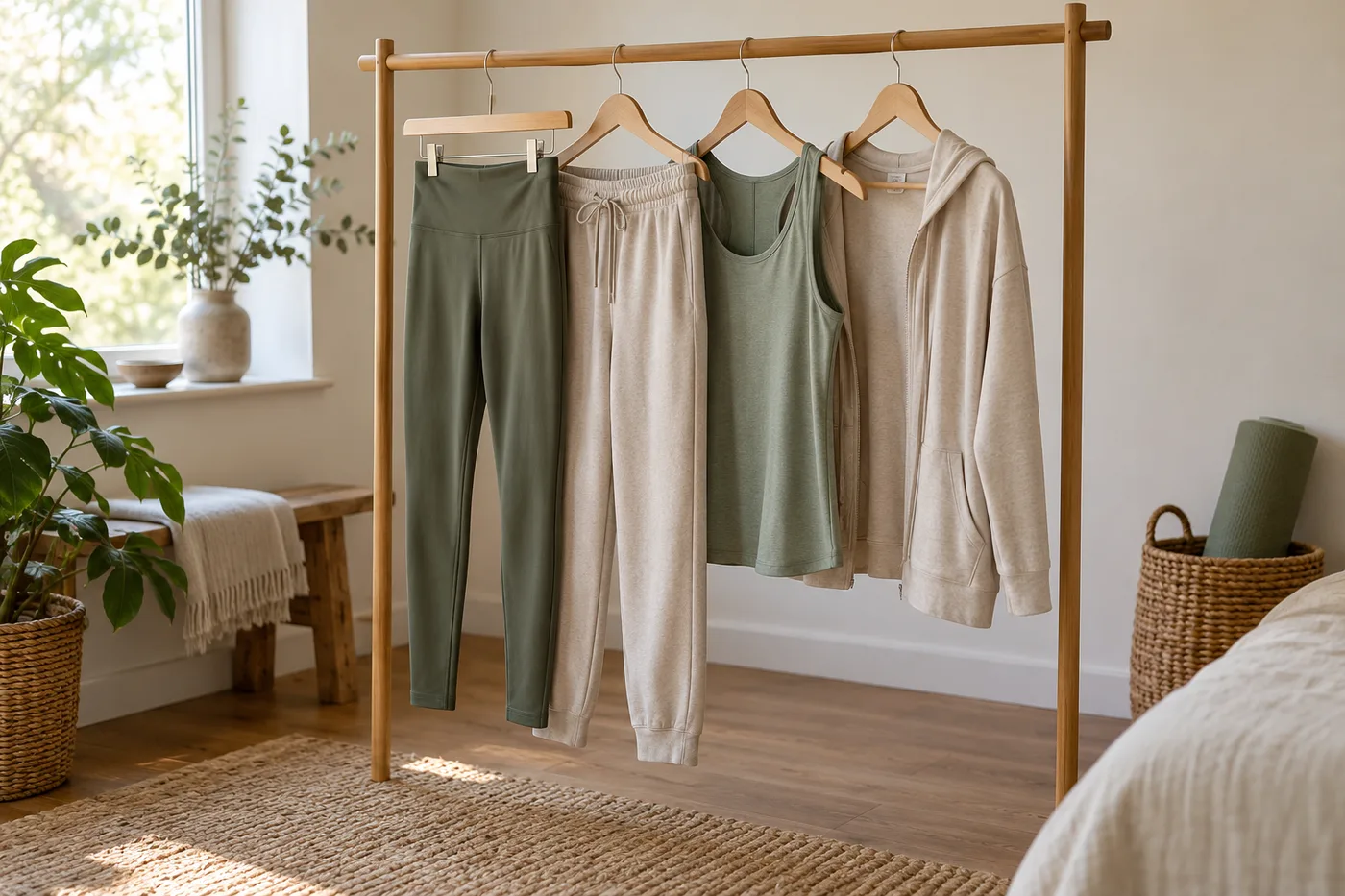
Score a candidate from zero to two in five categories: activity performance, fit, styling versatility, care compatibility and after-sale service. A score of eight to ten can justify a premium when the piece fills a real wardrobe gap. Five to seven means wait for a returnable sale or compare alternatives. Four or below means the logo is doing more work than the garment.
Then calculate a conservative first-year cost per wear using the current checkout total, including tax, delivery and any return cost. Divide that figure by a realistic number of wears; run the calculation again with a low-use scenario. This is a planning test, not a durability promise. Use actual rotation, climate and laundry frequency, and do not assume resale value. The brand becomes “worth it” only when the exact piece earns repeated use without demanding uncomfortable fit or impractical care.
Four Collection Questions
Is Alo good for actual yoga?
Many pieces are, but evaluate the exact fabric and cut. Fashion-led flares or tops can interfere with certain transitions.
Is Alo better than Lululemon?
Neither wins brand-wide. Alo often leads in fashion styling; Lululemon may offer a broader technical system in some categories. Compare exact products.
Does Alo run small?
A single rule cannot cover all silhouettes. Use garment-specific measurements and movement, not a brand myth.
Is it worth buying on sale?
Only when the product and size were already suitable. A discount does not correct a wrong rise or unsupported activity.
Bottom Line
Alo Yoga's price can be rational when design is part of the job and the piece becomes a frequent studio-to-street staple. It is poor value when a buyer needs only generic performance or assumes every collection is equally technical. Start with one distinctive, highly wearable item—not a brand-uniform wardrobe.